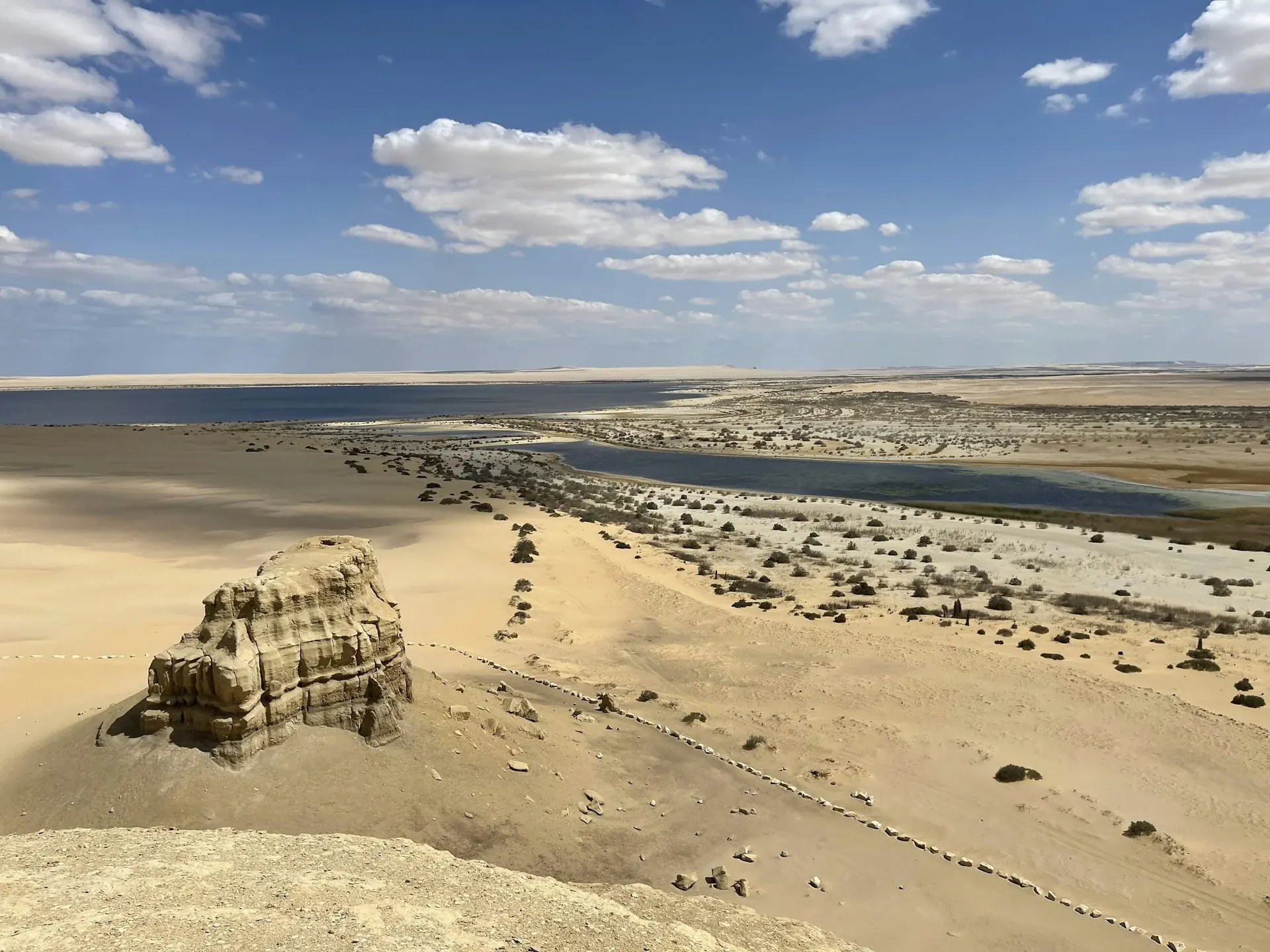
At first, the idea seems impossible: whales in the desert. Then you encounter their fossil remains, and the landscape becomes a different kind of place. Wadi Al-Hitan, also known as Whale Valley, invites you to imagine water where today you see sand and rock.
When this desert was underwater
During the Eocene, tens of millions of years ago, this part of Egypt lay beneath an ancient sea. Many of Wadi Al-Hitan’s whale fossils date to around 37 million years ago. The animals lived in a marine environment; their remains became buried in sediments that later formed rock. Over geological time, changing geography and erosion brought that buried record into the desert landscape visible today. Read the research on Wadi Al-Hitan’s marine fossils.
So the phrase “walking on an ancient seabed” is more than a poetic description. The rocks preserve evidence of a former marine world. This was a transformation over immense spans of time, not an ocean that disappeared overnight.
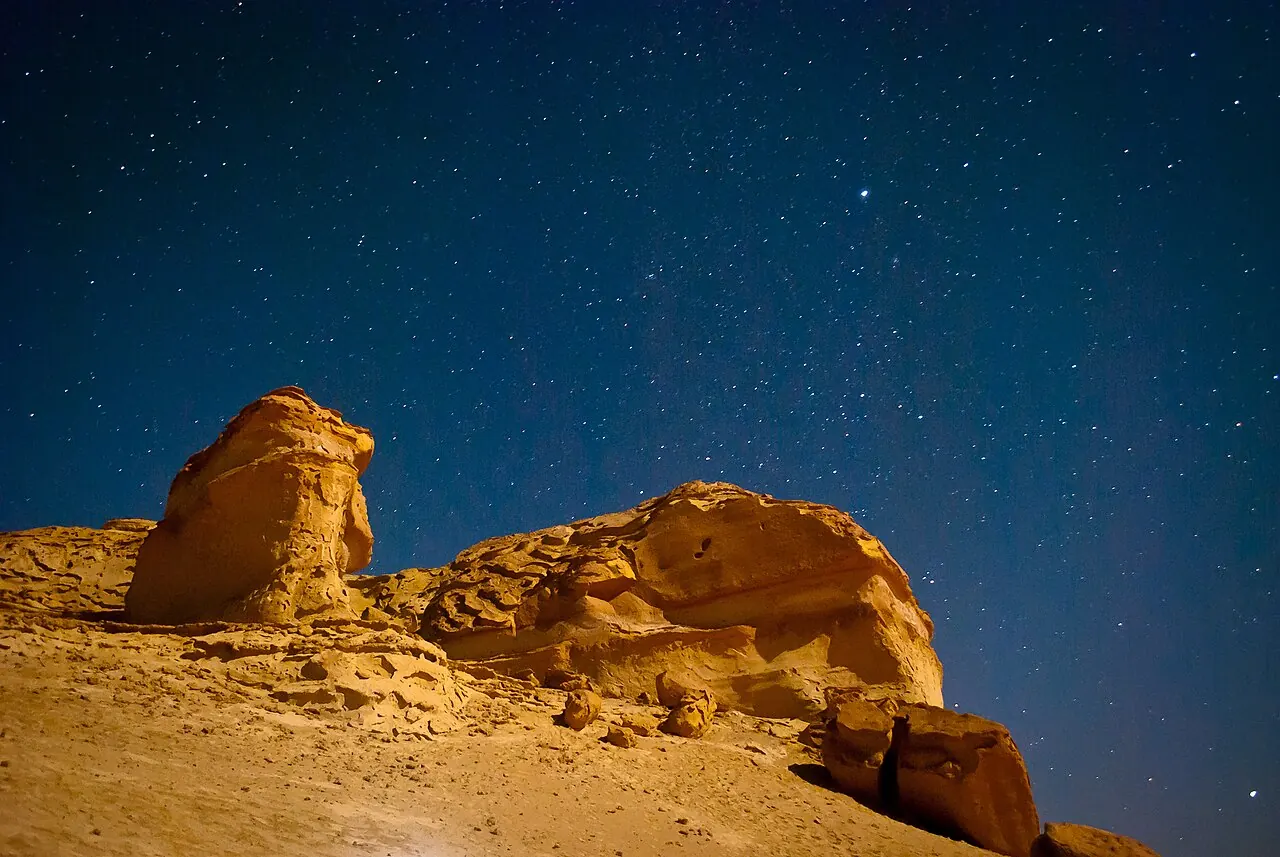
The small bones that tell a huge story
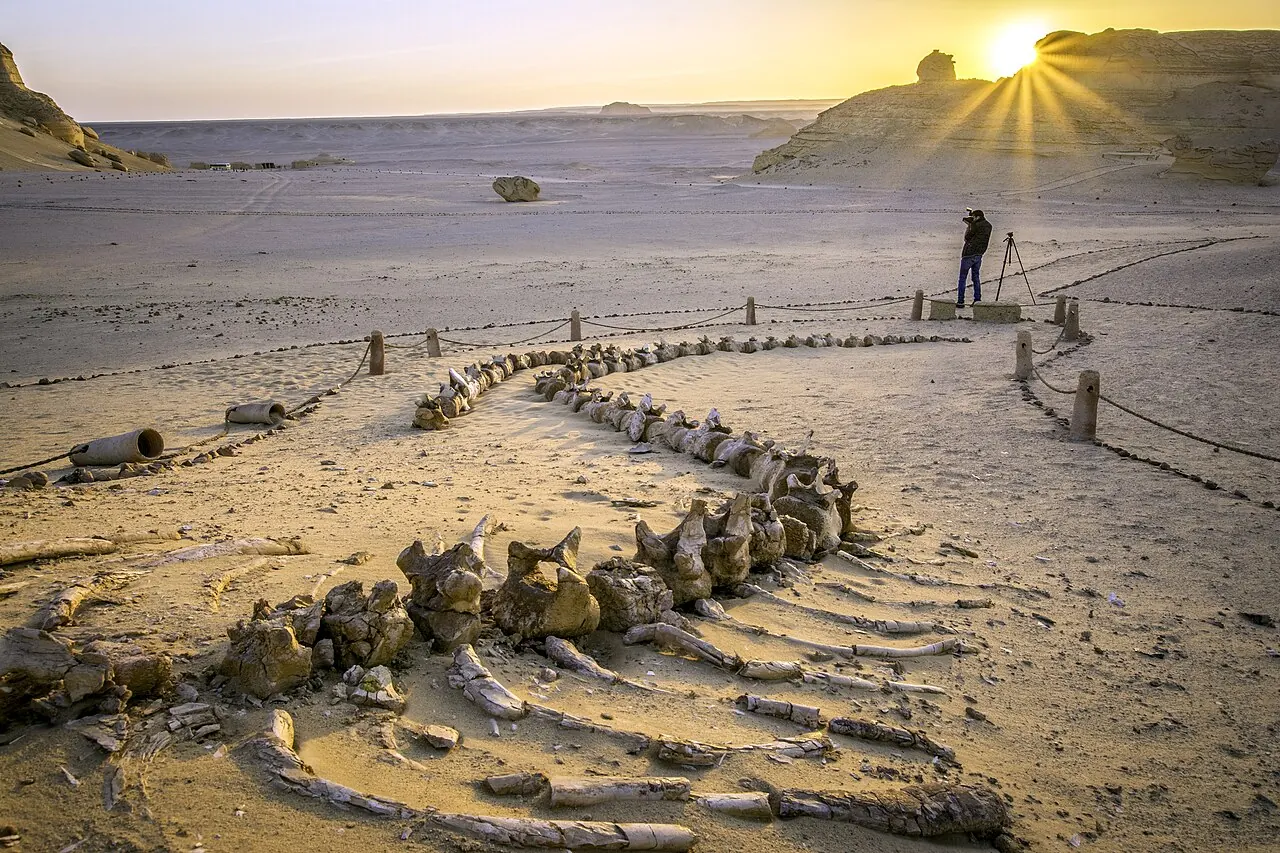
The valley is especially significant because its fossils record an important stage in whale evolution. Whales descended from land-dwelling mammals, and the ancient whales found here retained reduced hind limbs. Their skeletons help explain that transition to life in the sea. UNESCO recognises the exceptional concentration, preservation and accessibility of this evidence. Read UNESCO’s description of Whale Valley.
Two names you may encounter are Basilosaurus and Dorudon. These were aquatic whales, not animals wandering across the desert on legs. Their tiny hind limbs were remnants of an earlier evolutionary history. Other fossils help researchers reconstruct the ecosystem around them. Read more about the fossil species.
Let the visit unfold on foot
Wadi Al-Hitan lies within the wider Wadi El-Rayan Protected Area. Visitor footpaths allow you to explore parts of the fossil landscape while protecting it. Stay on the designated routes and leave every fossil and stone in place. UNESCO explains the site’s protection and visitor setting.
Give yourself time to stop. A guide can turn an unfamiliar shape into an animal, then connect that animal to the vanished environment around it. Look first at the bones, then at the horizon. The relationship between those two views is what makes the visit stay with you.
Make it part of a slower Fayoum escape
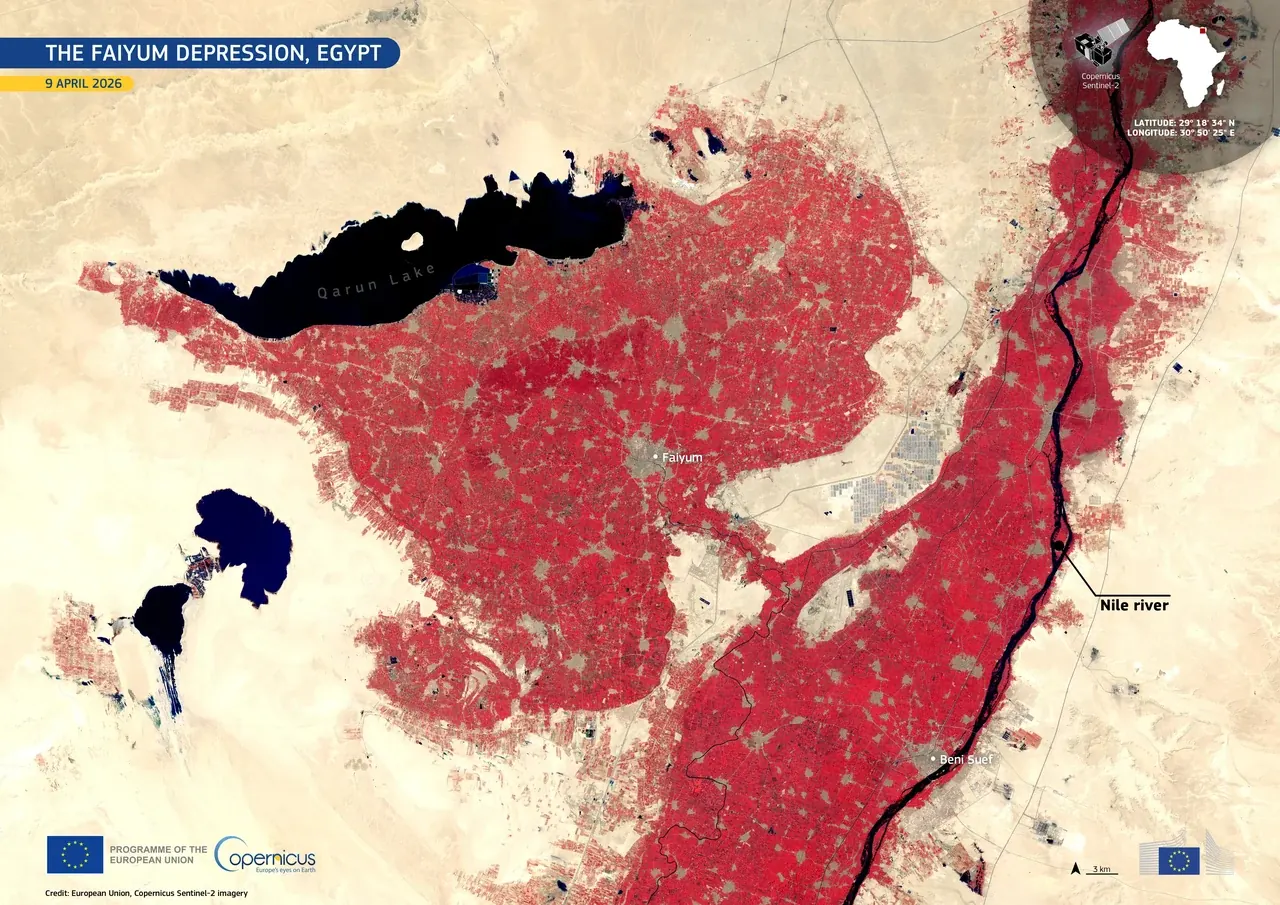
We would build a two-night Fayoum stay around the visit. Arrive and settle in on the first day, reserve the next for Whale Valley, and leave the final morning open before returning to Cairo. It gives the experience room to breathe instead of fitting it between a long list of stops.
Use the quieter hours for a meal, a conversation with your host or simply a change of pace. You do not need to fill every gap. After a place that measures time in millions of years, a little unplanned time feels appropriate.
A few details worth planning
Arrange the journey and suitable transport with a local operator, confirming current access and opening arrangements before setting out. Bring water, sun protection and comfortable walking shoes. Choose your walking time around the forecast and allow enough time for the return journey.
For travellers who love landscapes with a story, this is a remarkable addition to Egypt. Giza invites you to think about human history. Whale Valley takes you much further back—to a world before people, when this stretch of desert belonged to the sea.